Introduction
Modern life moves quickly. Between work deadlines, family responsibilities, scrolling notifications, and community events, it’s easy to feel swept along by forces we don’t fully understand. Yet behind the daily rhythm lies a complex web of education, community, and societal structures that quietly shape how we live, work, and connect with others.
Understanding these forces is empowering. It helps us make better decisions, build stronger relationships, and contribute meaningfully to the world around us. This article explores the key elements that define modern society and offers practical ways to engage with them for a more fulfilling life.
The Role of Education in Modern Life
Education is the foundation of modern society. While formal schooling provides essential knowledge and skills, true education extends far beyond classrooms. It includes lifelong learning, critical thinking, emotional intelligence, and adaptability — qualities that help us thrive in a changing world.
Good education systems prepare people not just for jobs, but for thoughtful citizenship. They teach us how to solve problems, understand different perspectives, and pursue personal growth. In today’s world, continuous learning through online courses, workshops, mentorship, and self-study has become increasingly important.
Tips for a Lifelong Learning Mindset:
- Read widely across different subjects.
- Seek out new skills relevant to your goals.
- Stay curious and ask thoughtful questions.
- Share knowledge with others in your community.
The Power of Community
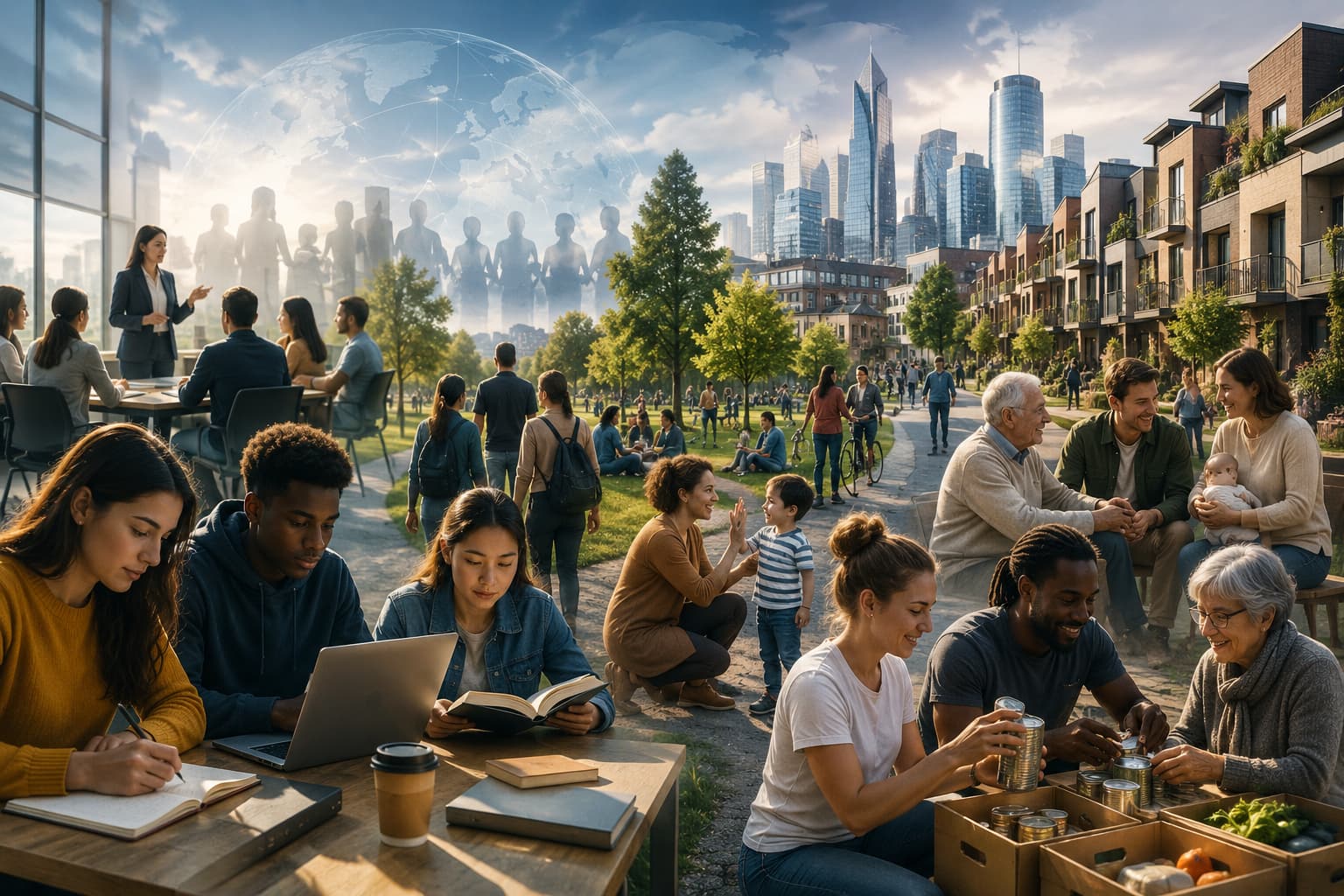
Humans are social beings. Strong communities — whether neighborhoods, workplaces, schools, or online groups — provide belonging, support, and a sense of purpose. They help us celebrate successes, navigate challenges, and create collective progress.
In modern society, community looks different than it did generations ago. Many people balance local ties with digital connections. Both matter. Local communities offer face-to-face support and accountability, while online communities provide access to diverse ideas and global perspectives.
Community development thrives when individuals take initiative — organizing events, volunteering, or simply checking in on neighbors. These small actions strengthen social bonds and improve quality of life for everyone.
Key Forces Shaping Everyday Life
Several powerful forces influence modern society:
- Technology: It connects us instantly but also changes how we work, learn, and relate to one another.
- Economic Systems: Job markets, cost of living, and opportunity structures affect daily decisions and long-term security.
- Public Services: Quality education, healthcare, transportation, and safety nets play vital roles in societal well-being.
- Cultural Values: Shifting attitudes toward work-life balance, diversity, sustainability, and mental health continue to reshape norms.
Understanding these forces helps us respond thoughtfully instead of feeling overwhelmed.
How to Strengthen Your Local Community:
- Participate in local events or town meetings.
- Support small businesses and community initiatives.
- Practice kindness and neighborly help.
- Get involved with schools or volunteer organizations.
Civic Engagement and Social Responsibility
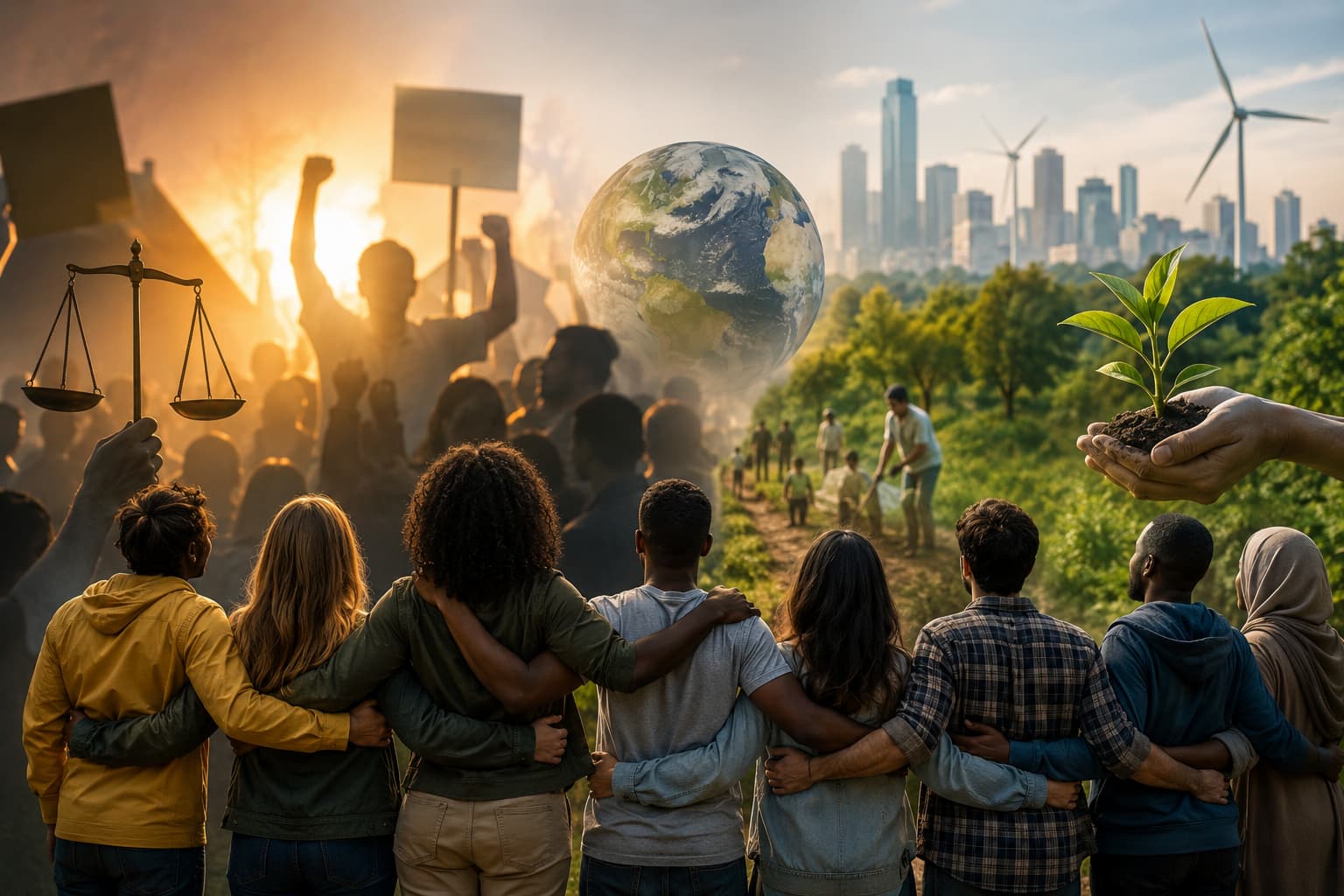
Civic engagement means actively participating in the life of your society. This can be as simple as voting, as involved as running for local office, or as everyday as mentoring young people and reducing waste.
Social responsibility reminds us that our actions affect others. When individuals act with awareness and care, entire communities benefit. Modern society works best when people balance personal freedom with collective wellbeing.
Conclusion
Modern society is a dynamic interplay of education, community, institutions, and shared values. By understanding these forces, we gain clarity and agency in our everyday lives. Education equips us with knowledge, community gives us belonging, and thoughtful engagement allows us to shape a better future.
Start small. Choose one area — whether deepening your learning, strengthening local ties, or practicing greater civic awareness — and take consistent action. The health of our society depends not just on systems, but on the everyday choices of individuals like you.
Frequently Asked Questions (FAQs)
- Why is community becoming more important in modern society?
In a fast-paced, often digital world, strong communities combat loneliness, provide practical support, and create opportunities for collaboration that improve overall wellbeing.
- How can someone with a busy schedule contribute to social change?
You don’t need large amounts of time. Small actions like voting, supporting ethical businesses, mentoring others, or participating in local clean-up drives can create meaningful impact over time.
- What role does education play beyond getting a job?
Education builds critical thinking, empathy, adaptability, and ethical awareness — skills that help individuals lead fulfilling lives and contribute responsibly to society.
- How do cultural values influence everyday life?
Cultural values shape everything from family dynamics and work expectations to attitudes about sustainability and social justice, quietly guiding our decisions and interactions.