Introduction
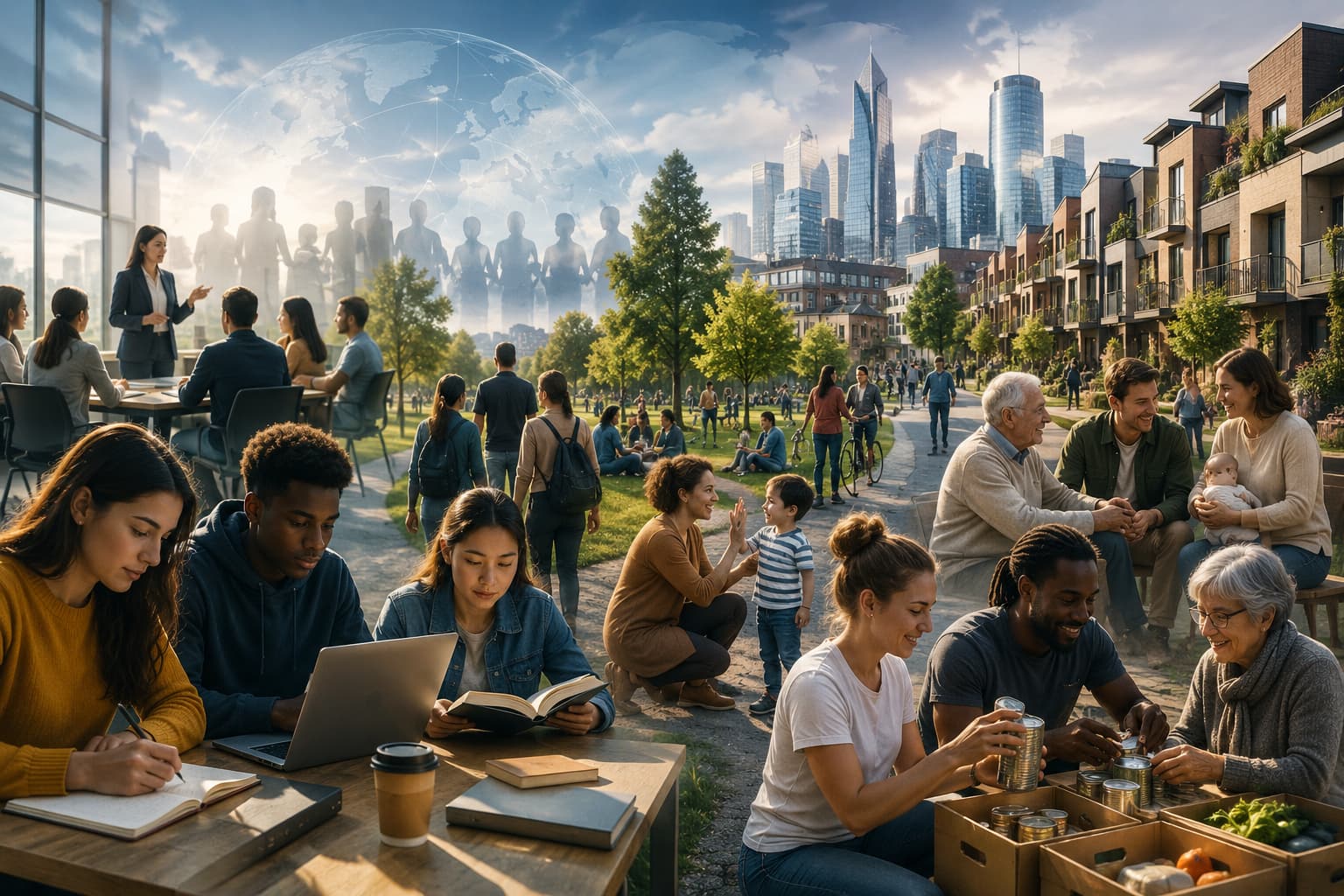
The world is changing faster than ever. New technologies reshape how we work and connect, environmental challenges prompt us to rethink our habits, and shifting social values influence everything from how we raise children to how we build communities. In this dynamic landscape, developing a clear understanding of social change, ethics, and public awareness is no longer optional — it’s essential for navigating life with purpose and contributing to a better future.
This isn’t about predicting every headline. It’s about building timeless skills: ethical thinking, media literacy, and thoughtful engagement. By exploring these areas, we can move from passive observers to active, informed participants in the story of human progress. This guide offers practical insights to help you understand the forces shaping tomorrow and how you can play a positive role today.
The Dynamics of Social Change
Social change is the continuous evolution of societies through cultural shifts, technological breakthroughs, and evolving values. Throughout history, innovations like the printing press or the internet transformed how knowledge spreads and communities form. Today, we see similar transformations in areas such as artificial intelligence, climate action, and social equality.
These changes often create both opportunities and challenges. Progress in healthcare and education has improved lives globally, while rapid digitalization raises new questions about privacy and mental wellbeing. Understanding these patterns helps us adapt with resilience rather than fear.
Ethics in a Changing World
Ethics provide the moral compass for navigating change. At its heart, ethical decision-making involves considering the impact of our choices on others, future generations, and the planet. It’s about balancing personal freedom with collective responsibility.
In daily life, this might mean making sustainable purchasing decisions, speaking up against unfair practices at work, or reflecting on how our online behavior affects others. Strong ethical frameworks — fairness, honesty, empathy, and accountability — remain relevant regardless of technological or cultural shifts.
A Simple Framework for Ethical Decision-Making:
- Identify the key stakeholders affected by your choice.
- Consider short-term and long-term consequences.
- Ask: Does this align with my core values and respect others’ dignity?
- Seek diverse perspectives before deciding.
Public Awareness and Media Literacy
In an age of abundant information, public awareness is only as good as our ability to separate facts from opinions. Media literacy — the skill of critically evaluating sources, recognizing bias, and understanding context — has become a vital life skill.
Thoughtful awareness helps us engage with important issues like environmental sustainability and technological ethics without becoming overwhelmed or cynical. It encourages curiosity and lifelong learning rather than reactive judgment.
How to Improve Media Literacy:
- Cross-check information across multiple reputable sources.
- Pause before sharing emotionally charged content.
- Look for primary data and expert consensus rather than sensational headlines.
- Reflect on your own biases and how they influence what you accept as true.
Key Trends Shaping the Future
Several major forces are influencing society’s direction:
- Environmental Concerns: Growing awareness of climate and biodiversity issues is driving innovation in clean energy, circular economies, and sustainable living.
- Technological Developments: AI, automation, and digital connectivity offer tremendous potential while raising important ethical questions about equity, privacy, and human purpose.
- Evolving Social Values: Greater emphasis on diversity, inclusion, mental health, and work-life balance reflects deeper shifts in what people prioritize for a fulfilling life.
- Public Policy: Discussions around education, healthcare, and regulation continue to evolve as societies seek to balance innovation with protection.
These trends aren’t isolated — they intersect and influence one another, creating both complexity and opportunity.
How Individuals Can Engage Thoughtfully
You don’t need to be an activist or expert to make a difference. Small, consistent actions matter:
- Practice ethical consumerism by supporting brands that align with your values.
- Engage in respectful conversations with people who hold different views.
- Stay informed through reliable sources and dedicate time to deeper learning.
- Participate in your local community — whether through volunteering, voting, or simply helping neighbors.
- Model the change you want to see in your family and workplace.
Personal reflection is equally important. Regularly asking ourselves “What kind of world do I want to help create?” keeps our actions aligned with our principles.
Building a Better Future Together
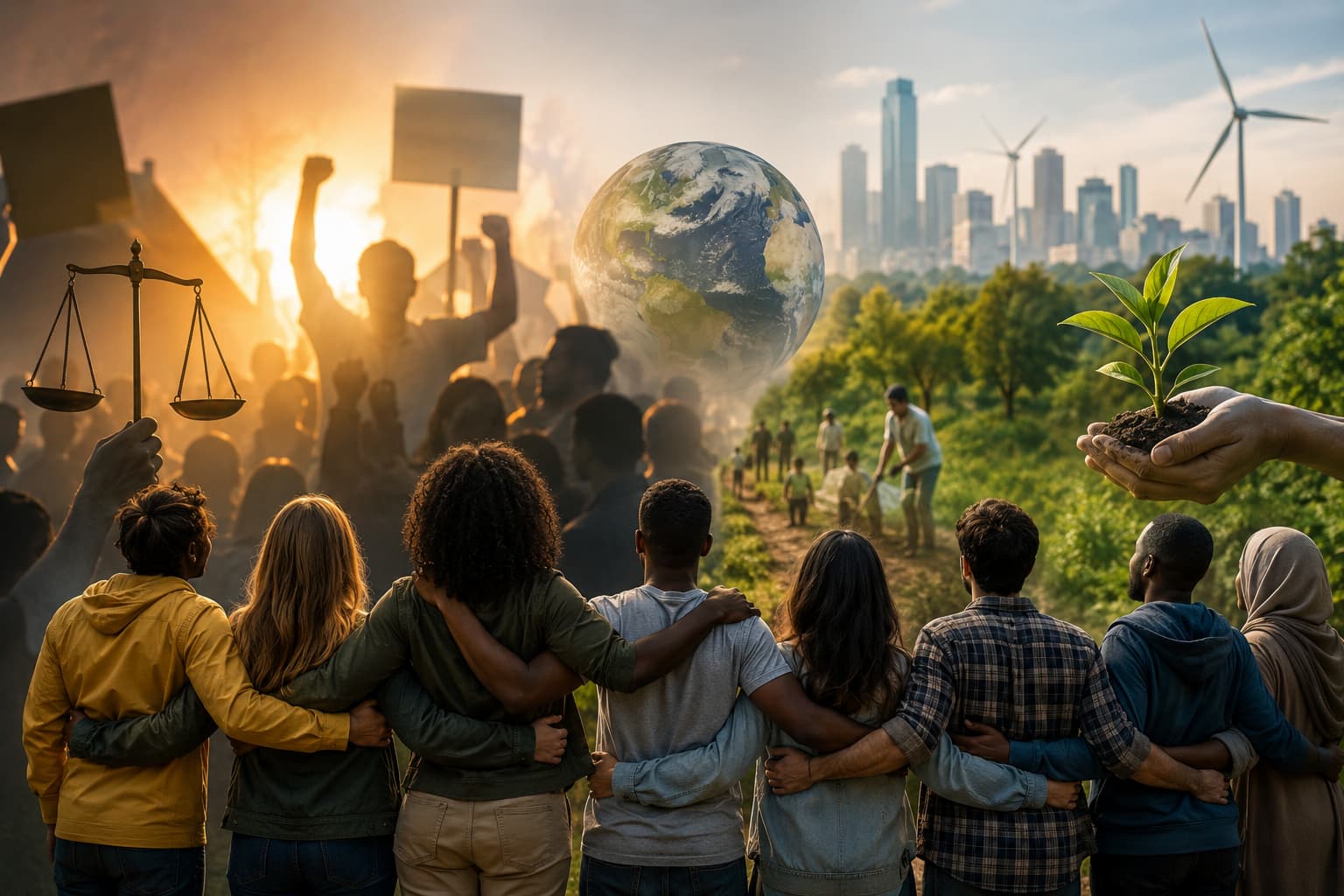
Social progress has never been linear or perfect, but history shows that informed, ethical, and engaged individuals can drive meaningful improvement. When more people develop public awareness and commit to thoughtful action, societies become more resilient and compassionate.
The future will be shaped by how we respond to change today. By cultivating curiosity, empathy, and responsibility, we contribute to solutions rather than problems.
Conclusion
Understanding social change, ethics, and public awareness equips us to face an uncertain future with confidence and hope. These skills help us move beyond fear or apathy toward thoughtful participation.
This week, choose one small step: read an in-depth article on a topic that matters to you, have a respectful conversation about differing values, or evaluate one daily habit through an ethical lens. Progress begins with awareness and grows through consistent, values-driven action.
The world needs more thoughtful, engaged citizens. By investing in these enduring principles, you not only improve your own life but help shape a future that benefits everyone. The story of tomorrow is still being written — and you have a meaningful part to play.