
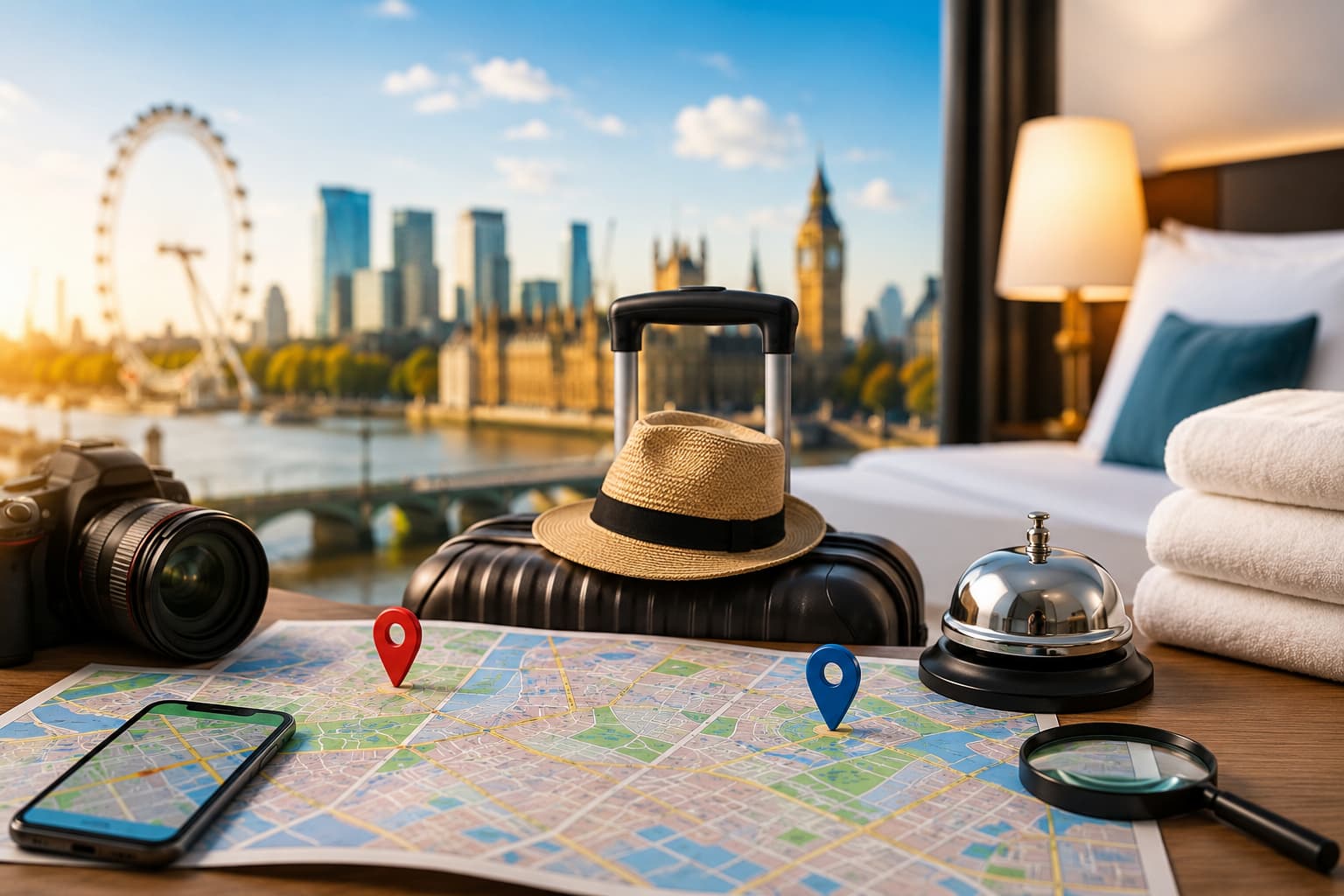
Why Accommodation Choices Can Make or Break a Trip
Where you stay shapes how you experience a city. The right location and comfort level can turn a good holiday into a great one, while a poorly chosen hotel can eat into your time, budget, and energy. Location, comfort, convenience, and budget all interact—get the balance right, and everything else falls into place.
Choosing the Right City for Your Travel Goals
Different cities suit different travel styles: cultural and historical trips favour walkable old towns; food-focused travel rewards areas with markets and local dining; family holidays need parks and easy transport; business travel prioritises central, well-connected districts; outdoor and adventure travel benefits from proximity to nature; relaxation trips favour quieter, low-density areas.
Travel Goal Matching Framework: List your top three trip priorities, then rank potential cities against each one out of five.
Researching a City Before Booking
Check local attractions, safety, public transport, walkability, seasonal conditions, cost of living, and language considerations.
Destination Research Checklist: transport map reviewed, safety advisories checked, key attractions listed, typical costs estimated, cultural norms noted.
Understanding Different Types of Accommodation
- Hotels – consistent service, good for short stays.
- Boutique hotels – unique character, best for couples seeking atmosphere.
- Holiday rentals – more space, ideal for families or longer stays.
- Serviced apartments – kitchen facilities, suited to business or extended trips.
- Guest houses/B&Bs – personal touch, good value.
- Hostels – budget-friendly, popular with solo and younger travellers.
Each has trade-offs between privacy, cost, and service level—match the type to your trip’s purpose.
Why Location Matters More Than Price Alone
A cheaper room far from attractions can cost more overall once transport and time are factored in. City centre locations offer convenience; residential neighbourhoods offer authenticity and value; business districts suit work trips; airport-area stays suit early departures.
Neighbourhood Evaluation Checklist: distance to attractions, transport links, safety after dark, noise levels, nearby amenities.
Essential Hotel Features to Consider
Wi-Fi quality, breakfast options, parking, family facilities, accessibility, fitness facilities, business services, climate control, kitchen access, and security all matter differently depending on traveller type.
Amenity Priority Matrix: Rate each amenity as essential, nice-to-have, or unnecessary based on your trip type before comparing options.
Booking Strategies for Better Value
Compare multiple sources, understand cancellation policies, read reviews for patterns rather than isolated complaints, book early for popular periods, and watch for hidden costs like resort fees, cleaning charges, and parking.
Accommodation Tips for Different Types of Travellers
- Solo travellers: prioritise safety and central location.
- Couples: value atmosphere and privacy.
- Families: need space and family facilities.
- Business travellers: need reliable Wi-Fi and proximity to work venues.
- Long-term travellers: benefit from kitchen access and flexible terms.
Local Transportation and Accessibility
Evaluate public transport access, walking distance to attractions, taxi and rideshare availability, airport connections, and mobility accessibility. Good transport links save both time and money throughout your stay.
Common Accommodation Booking Mistakes
- Choosing on price alone → weigh total value
- Ignoring location → check transport links first
- Skimming reviews → look for recurring themes
- Overlooking cancellation terms → read the fine print
- Underestimating transport costs → factor these into budgets
- Not checking amenities → confirm essentials in advance
Stress-Free Travel Planning Checklist
Before booking: research destination, set budget, evaluate neighbourhoods, compare accommodation types. Before departure: confirm reservations, arrange transport, check check-in requirements, gather documents. Upon arrival: inspect the property, orient yourself with local transport, note emergency contacts.
Conclusion: Travel Smarter Through Better Planning
Choosing the right city and accommodation comes down to matching options to your travel goals—not simply chasing the lowest price. Prioritise convenience, comfort, and value, and you’ll set the foundation for a smoother, more enjoyable trip wherever you go.