
Introduction
Heritage isn’t just old buildings and museum cases; it’s the living traditions, stories and everyday practices that give a place its identity. Living heritage evolves as communities change, combining tangible features — streets, houses and monuments — with intangible elements such as language, crafts and festivals. The challenge is balancing careful preservation with practical adaptation so history remains meaningful and useful in modern life.
What Is Living Heritage?
Living heritage refers to cultural expressions and practices that are actively passed on, reshaped, and practised within communities. Unlike static historic preservation, which focuses on conserving artefacts or architecture, living heritage emphasises continuity of use: customs, oral traditions, skills, community rituals and local knowledge. These elements anchor people to place, offering social cohesion and a sense of belonging even as towns and cities grow.
Adaptive Reuse: Giving Historic Buildings New Purpose
Adaptive reuse repurposes old buildings for contemporary needs while retaining their historic character. Former schools become co‑working hubs, warehouses convert into apartments or galleries, churches host community centres and mills turn into mixed‑use developments. Benefits include:
- Preserving architectural character and craftsmanship
- Reducing construction waste and supporting sustainability
- Revitalising high streets and supporting local economies
- Maintaining community continuity by keeping familiar landmarks active
Examples: regenerated historic high streets with mixed retail and cultural uses, restored railway structures repurposed as cafés or visitor spaces, and community centres run from listed properties.
Preserving Stories Through Oral History Projects
Personal memories often never reach official archives, so oral history projects are vital. Interviews with long‑term residents, family histories, workplace recollections and accounts of local customs capture nuance and emotion that documents miss. Schools, libraries and local history groups can:
- Conduct recorded interviews and transcribe them
- Create community memory banks
- Use oral histories in local exhibitions or lesson plans
These projects preserve voices and perspectives for future generations and enrich the written record.
Festivals, Traditions, and Community Participation
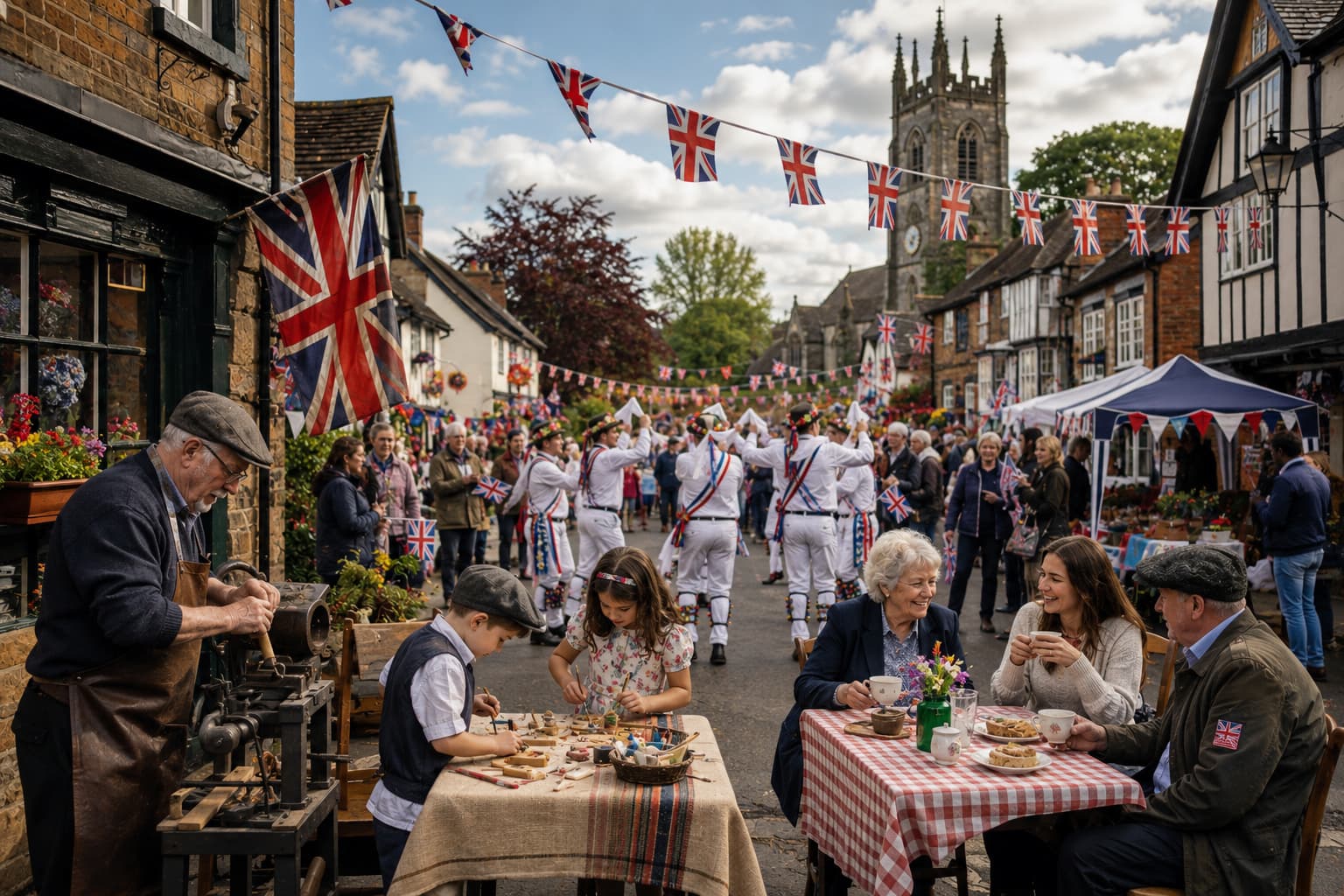
Local festivals and events transform heritage into communal experience. Whether seasonal markets, craft demonstrations or annual commemorations, festivals:
- Strengthen community ties and intergenerational learning
- Support local businesses and artisans
- Encourage cultural exchange and pride
Traditions naturally evolve—new elements can be introduced while keeping historical roots intact—so festivals stay relevant and inclusive.
Digital Archives and Technology in Heritage Preservation
Technology broadens access and safeguards heritage for the long term. Digital tools include online archives, digitised newspapers, historical photo collections, interactive maps and virtual exhibitions. These enable:
- Remote access for researchers and the public
- Easier cross‑referencing of sources
- Preservation against physical loss or decay
Communities can create local digital archives or partner with regional libraries to ensure discoverability and longevity.
Balancing Preservation and Progress
Protecting heritage while accommodating modern needs calls for thoughtful planning. Challenges include urban growth, housing demand, infrastructure upgrades and tourism pressures. Practical approaches:
- Use planning policies that favour sensitive redevelopment
- Apply design guidelines that respect historic character
- Prioritise community consultation in redevelopment plans
Balanced strategies allow places to change sustainably without erasing what makes them special.
Streetscapes, Fortified Sites, and Everyday Neighbourhoods
Heritage exists at many scales: grand castles and civic buildings, traditional neighbourhood streetscapes, and everyday structures like pubs, terraces and markets. Ordinary places — a patchwork of workshops, local parks and suburban lanes — often carry the strongest cultural resonance because they reflect daily life. Caring for these neighbourhood features preserves continuity for residents, not just tourists.
Create Your Own Heritage Walk
A simple way to engage with living heritage is to document a local walk. Use this template and share findings with a community group or online.
Heritage Walk Template
- Location: town, village or neighbourhood
- Historical Landmarks: notable buildings, monuments, public spaces
- Community Stories: personal memories, oral histories, local events
- Architectural Features: building styles, materials, historic details
- Photographs and Notes: images, sketches, observations
- Reflections: What makes this place unique? How has it changed? What should be preserved?
Share compiled walks with schools, libraries or social media to encourage local conversation and preservation action.
Conclusion
Living heritage thrives when communities actively preserve, adapt and celebrate both tangible and intangible traditions. Through adaptive reuse, oral history projects, community festivals and digital archiving, local people can keep the past relevant while meeting modern needs. Engaging residents in simple activities — from heritage walks to recording memories — ensures history remains a lived experience rather than a static exhibit, connecting present and future generations.